
Ever noticed a musty smell lingering in your home, cold floors in the winter, or dampness creeping up from below?
If so, your crawlspace could be the culprit.
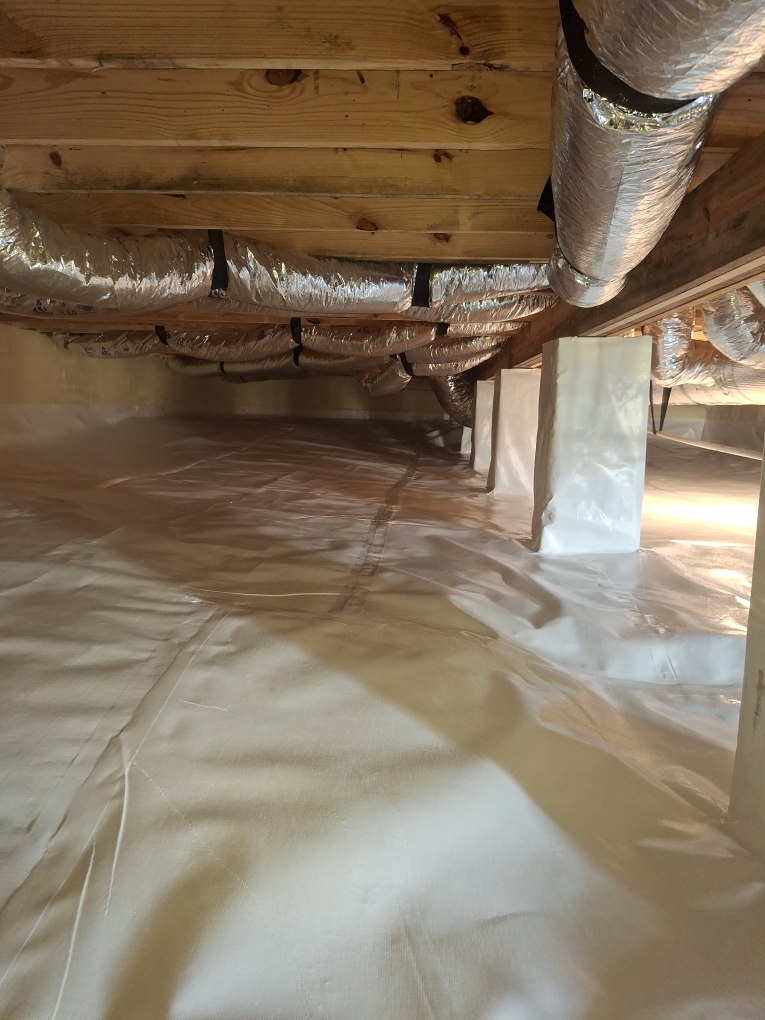
A crawlspace vapor barrier is a protective plastic or polyethylene sheet that prevents moisture from seeping into your home from the soil below. While it may sound simple, this barrier plays a huge role in keeping your home healthy, comfortable, and structurally sound.
Let’s break down what a vapor barrier is, how it works, and why every homeowner should consider one as part of their crawlspace repairs.
What is a Crawlspace Vapor Barrier?
A crawlspace vapor barrier is essentially a sheet of heavy-duty polyethylene plastic laid across the ground and sometimes along the walls of a crawlspace. Its job is to stop water vapor from rising up through the soil and into your home.
Standard vapor barriers are made from polyethylene plastic sheeting, available in different thicknesses. Think of it as a shield between your home and the moisture-rich ground beneath it.
How Crawlspace Vapor Barriers Work
Moisture is constantly present in the soil under your home. Left unchecked, it rises into your crawlspace, increasing humidity levels and creating a perfect environment for mold, mildew, and pests.
Here’s how a vapor barrier protects your Louisville home step by step:
1. Moisture Naturally Rises From The Soil
Water in the ground continuously evaporates and migrates upward, carrying humidity into your crawlspace. Without a barrier, there’s nothing stopping it from entering the air beneath your home.
2. Vapor Barrier Blocks The Moisture
The thick plastic of the vapor barrier creates a seal that prevents soil moisture from entering the crawlspace.
3. Vapor Barrier Reduces Humidity Levels
With less water vapor entering, the crawlspace stays significantly drier. Lower humidity helps prevent mold, mildew, wood rot, and pest activity.
Why Crawlspace Vapor Barriers Are Important
At first glance, a crawlspace vapor barrier might seem like an optional upgrade, but in reality, it’s a critical layer of protection for your home.
Here’s why installing a vapor barrier matters so much:
Excess Moisture Buildup
Soil moisture never stops rising. In an uncovered crawlspace, this water vapor collects in the air, clings to surfaces, and creates a damp, humid environment.
Over time, this excess moisture encourages condensation on pipes, rust on metal supports, and deterioration of insulation.
Biological and Mildew Growth
Biological growth thrives in dark, damp areas — exactly the conditions of an unprotected crawlspace. Once biological growth takes hold, it spreads quickly, releasing spores that travel through the air and enter your living spaces.
This isn’t just a cosmetic issue; mold can trigger allergies, asthma, and other respiratory problems.
Poor Indoor Air Quality
Up to 50% of the air you breathe on the first floor comes directly from your crawlspace. If that air is filled with moisture or odors, it gets pulled into your home and impacts your family’s comfort and health.
A vapor barrier helps keep the air cleaner and fresher.
Weak Foundation and Building Structure
Over time, unchecked moisture can rot wooden beams, floor joists, and subflooring.
In severe cases, moisture compromises the structural integrity of your home, leading to costly foundation repairs or unsafe living conditions.
Increased Risk of Pests
Damp crawlspaces are a magnet for pests like termites, rodents, and insects, which thrive in moisture-rich environments.
A vapor barrier reduces the dampness that attracts these unwanted guests.
Signs You Need a Crawlspace Vapor Barrier
Musty Odors in the Home
That damp, “basement smell” is often a sign of moisture and biological growth in your crawlspace. Since air from the crawlspace naturally rises into your living areas, those odors won’t stay hidden for long.
Visible Biological Growth or Dampness in the Crawlspace
If you see dark spots on wood beams, white fuzz on surfaces, or water stains on the ground or walls, moisture is already a problem.
Biological growth and mildew thrive in crawlspaces with no vapor barrier.
Cold Floors Above the Crawlspace
In winter, crawlspaces without proper protection let cold, damp air seep into your home, making floors chilly underfoot.
This not only affects comfort but also increases heating costs.
High Humidity Levels Indoors
If your Lexington home feels sticky in the summer or your HVAC struggles to keep up, excess crawl space moisture could be to blame. A damp crawlspace raises humidity throughout the house.
Pest Activity in the Crawl Space
Termites, rodents, and insects love dark, moist environments. If you hear scratching below your floors or notice droppings, moisture could be creating a welcoming habitat for pests.
Rotting Wood Beams or Rusting Metal Supports
Structural elements in your crawl space, such as wooden joists or metal fasteners, can weaken when exposed to constant dampness.
If you notice sagging floors, soft wood, or rust, it’s a clear sign of long-term moisture damage.
5 Benefits of Professional Vapor Barrier Installation
1. Creates a Cleaner, Drier Crawlspace
With a properly installed vapor barrier, your crawlspace transforms from a damp, musty area into a cleaner, more controlled environment. This protects your home’s understructure from moisture damage and makes it less attractive to pests.
2. Lowers Energy Bills by Improving Efficiency
Moisture makes your home harder to heat and cool. By reducing crawl space humidity, your HVAC system doesn’t have to work as hard, which can lower monthly energy bills and extend the life of your equipment.
3. Increases Home Value and Protects Your Investment
A crawlspace vapor barrier is a selling point for potential buyers who want assurance that the home has been well-maintained. It also helps prevent costly structural repairs down the road, saving you money long-term.
4. Provides Long-Term Peace of Mind
When installed by professionals, vapor barriers are durable and designed to last for many years. You can relax knowing your crawlspace, and by extension, your entire home, is safeguarded against hidden moisture damage.
5. Expertise and Quality Materials
Professionals don’t just lay down plastic, they use high-quality materials, ensure proper sealing at seams and walls, and may recommend pairing the barrier with encapsulation, sump pumps, or dehumidifiers for maximum effectiveness.