
Signs of Foundation Settlement in Kentucky Homes: When to Schedule an Inspection
A sticking door or a new crack in the drywall can leave you wondering whether your home is simply aging or something is changing beneath it. Foundation settlement is one possibility, but these symptoms can have several causes. The key is recognizing patterns, documenting changes, and knowing when to request a professional evaluation.
For homeowners across Kentucky, understanding these warning signs can make a foundation inspection more productive and help determine whether professional foundation repair may be necessary.
What Is Foundation Settlement?
Foundation settlement happens when the soil supporting part of a home compresses, shifts, or loses support, allowing the foundation to move downward. Some movement can occur over a building’s lifetime, but uneven settlement may affect walls, floors, and openings.
Kentucky properties have varying soil and site conditions. In areas with clay-rich soils, changes in moisture can contribute to expansion and shrinkage. Drainage problems, poorly compacted fill, and other property-specific conditions may also play a role.
A professional inspection helps distinguish possible foundation settlement from ordinary wear or other building problems.
Six Signs of Foundation Settlement to Watch For
1. New or Widening Cracks
Look for diagonal cracks around doors and windows, stair-step cracks through brick or block, or cracks that appear to grow over time.
A crack’s location, direction, width, and history matter more than its presence alone. Not every crack indicates serious structural damage, but changing cracks deserve attention.
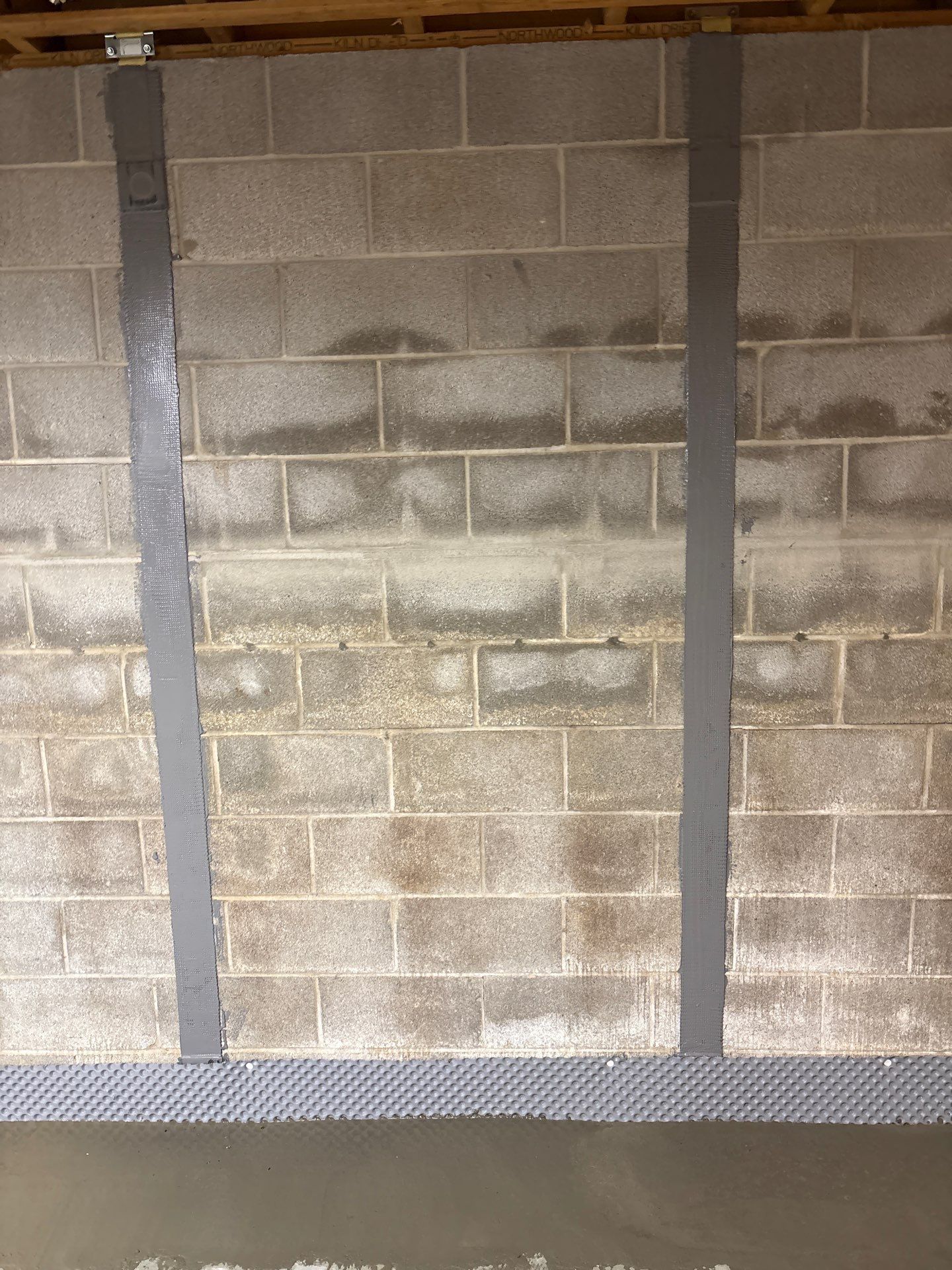
When cracking is accompanied by bowing or inward wall movement, homeowners may also need an evaluation for basement wall repair.
2. Doors and Windows That Begin Sticking
When a door or window frame shifts out of square, it may become difficult to open, close, or latch properly.
Humidity, hardware problems, and normal material movement can cause similar symptoms. However, sticking doors combined with other warning signs may indicate foundation movement.
3. Sloping or Uneven Floors
A noticeable change in floor level may point to movement in the foundation or problems with framing and structural supports.
If floors also bounce or sag, components beneath the home may need examination. Homes with crawl spaces can experience weakened floor supports that require crawl space repair rather than settlement-related foundation stabilization.
These symptoms can occur independently of foundation settlement, making an accurate evaluation important.
4. Gaps Around Interior Trim
Separation where walls meet ceilings, gaps beside baseboards, or trim pulling away from door frames may accompany movement.
Pay particular attention if multiple gaps develop in the same area or appear to change over time.
5. Cracks or Separation in Exterior Masonry
Stair-step cracking in brick mortar, gaps beside exterior doors, or separation between attached masonry and the home can provide clues about uneven movement.
These changes should be evaluated alongside the condition of the foundation and surrounding structure.
6. Multiple Symptoms Appearing Together
One sticking window may have a relatively simple explanation.
However, a sticking window combined with new wall cracks and an increasingly uneven floor provides a stronger reason to request a professional assessment.
When Should You Schedule a Foundation Inspection?
Consider scheduling an inspection when cracks are widening, movement appears to be progressing, or several warning signs develop together.
It is also worth requesting an assessment before major renovations or a home sale if you have unresolved concerns about foundation movement.
You do not need to wait for dramatic damage. At the same time, a small, stable cosmetic crack does not automatically mean expensive foundation repairs are necessary.
If movement is sudden or extensive, or a wall shows significant displacement, keep people away from the affected area and seek prompt evaluation from an appropriately qualified professional.
What Happens During a Foundation Inspection?
A thorough foundation evaluation begins with understanding what you have noticed and when the changes began.
During an inspection, a professional may examine:
- Crack patterns and movement: Where cracks appear, how they develop, and whether they suggest a consistent pattern.
- Floors, doors, and windows: Evidence of uneven movement or changes in alignment.
- Foundation and structural supports: Visible conditions in accessible foundation areas, basements, or crawl spaces.
- Grading and drainage: Whether water accumulation or other site conditions may affect soil support.
- Potential repair needs: Whether monitoring, additional investigation, or a stabilization recommendation is appropriate.
Not every inspection results in a repair recommendation.
If foundation settlement is identified, the next step is understanding its cause and extent before selecting a solution.
For some homes, foundation stabilization and repair may involve helical piers or other structural support systems. However, the appropriate method depends on the home’s conditions and the inspection findings.
How to Prepare for Your Foundation Evaluation
Before your appointment, photograph visible cracks and note approximately when you first noticed them.
If possible, record whether doors become harder to close during certain seasons or whether symptoms have changed following heavy rain or extended dry weather.
Make a list of previous repairs, drainage concerns, and areas where floors feel uneven. Avoid covering newly discovered cracks before they can be evaluated.
These observations help provide useful context, although they cannot establish the cause of foundation movement on their own.
Get Answers About Foundation Settlement in Kentucky
Bluegrass Foundation Repair helps homeowners throughout Kentucky, including those seeking foundation repair services in Louisville, Lexington, and Bowling Green.
If you’re noticing cracks, sloping floors, or other possible signs of foundation settlement, the goal isn’t to assume the worst. It’s to understand what is happening and determine whether repairs are necessary.
Our team focuses on clear explanations, honest recommendations, and repair solutions tailored to each home’s needs.
Concerned about your foundation?
Contact Bluegrass Foundation Repair to schedule your free foundation evaluation and get answers about your home’s structural concerns.